Lambert Hofer
The Wardrobe of World History
1. Identity & Presence
Lambert Hofer is one of the world's most distinguished costume houses and has served international film, opera, and theatre productions for more than 160 years. Founded in 1862 as the Erste Costüm Leihanstalt Lambert Hofer, the company is today led by Peter Hofer and his daughter Cornelia Hofer in the fourth and fifth generation. From its meticulously renovated headquarters at Simmeringer Hauptstraße 28 in Vienna's 11th district, the family business continues to unite theatrical expertise, artisanal knowledge, and remarkable historical depth. With an archive of around one million costumes, Lambert Hofer remains a vital partner for leading costume designers, directors, and production teams around the world. Their primary contact is +43 1 749 61 27 or office@lamberthofer.at, and their online presence is www.lamberthofer.at.
 Company Lambert Hofer on Instagram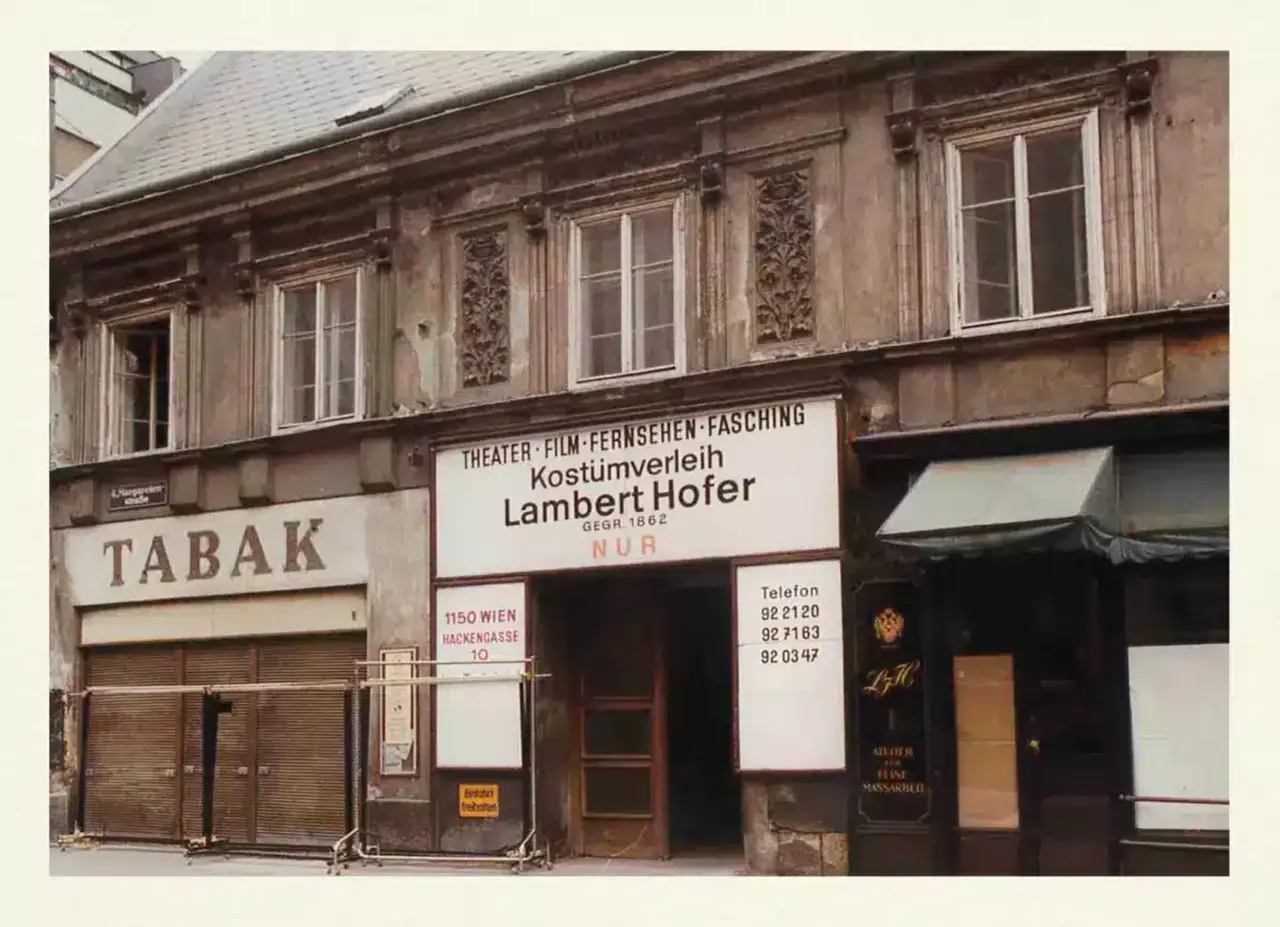
2. The Origin Story & Historical Milestones
The origins of Lambert Hofer lie in the artisanal world of 19th century Vienna. Lambert Hofer I gained his first experience at the Theater an der Wien from 1848 onward before becoming a master tailor at the k. u. k. Hofburgtheater in 1850. In 1862, following creative differences, he founded the city's first mask and costume rental agency. The business began modestly in a 35 square meter workshop on Magdalenenstraße in Vienna's 6th district, with an initial inventory consisting of little more than a pair of black trousers and a floral decorative curtain. From these beginnings, a house of extraordinary scale and endurance would emerge.
A defining early chapter in the company's history was its role in the legendary Makart Festzug of 1879, the monumental procession staged for the silver wedding anniversary of Emperor Franz Joseph I and Empress Elisabeth. Lambert Hofer played a leading role in outfitting this vast historical spectacle and, in doing so, placed the house at the heart of Viennese cultural life. Even before 1900, its reach extended far beyond the capital, supplying theatre productions across distant regions of the Habsburg Monarchy.
The next decisive expansion came with the rise of cinema. In 1920, Lambert Hofer equipped its first film for Graf Sascha Kolowrat, establishing a relationship with the film industry that would shape the house for decades to come. This led to contributions to major productions such as Sodom and Gomorrah. Over the course of the 20th century, the company deepened its holdings, expanded through acquisitions such as Wiener Theaterkunst and Ella Bei, and eventually brought its vast and previously scattered archives together under one roof. In 1990, the restored Simmering property became the company's central headquarters. Since Austria's accession to the European Union in 1995, and especially since joining the Madrid based Peris Group in 2019, Lambert Hofer has strengthened its international reach while preserving its Viennese identity.
3. The Core of the Craft
At the heart of Lambert Hofer lies a way of working in which archive, workshop, and production support function as one. The house's own motto, There is nothing we cannot achieve as long as we do it together, is therefore not a decorative line, but a precise description of how the company operates. Lambert Hofer combines historical knowledge, highly specialized craftsmanship, and the logistical precision required by contemporary productions, creating a structure in which collaboration itself becomes part of the craft.
A few elements are especially characteristic:
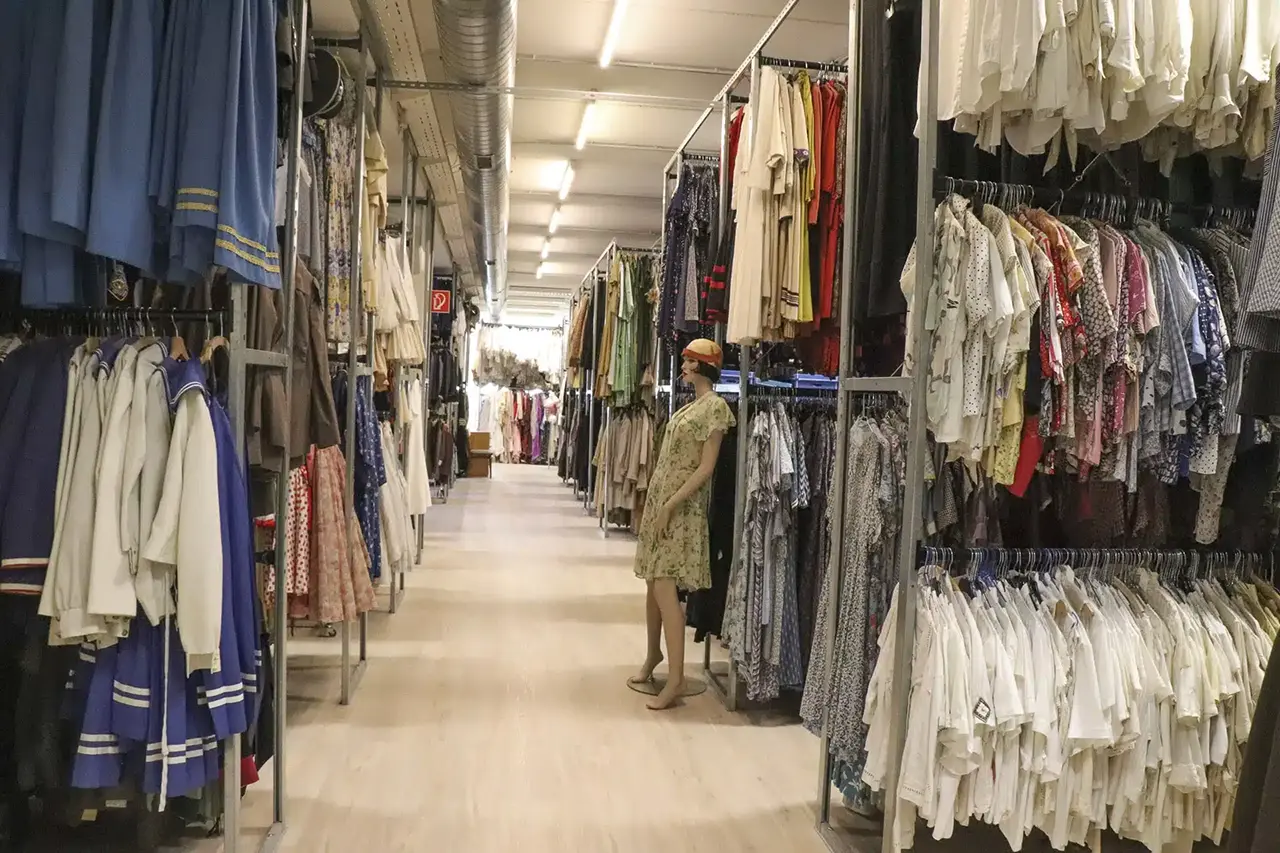
- At the center stands the Fundus, an archive of around one million pieces spanning epochs from the Middle Ages to the present. Among them are thousands of original garments and uniforms dating back to 1780, some of which can still be made available for selected productions. Organized by epoch and colour, the archive functions not as a static collection, but as a working library of costume history.
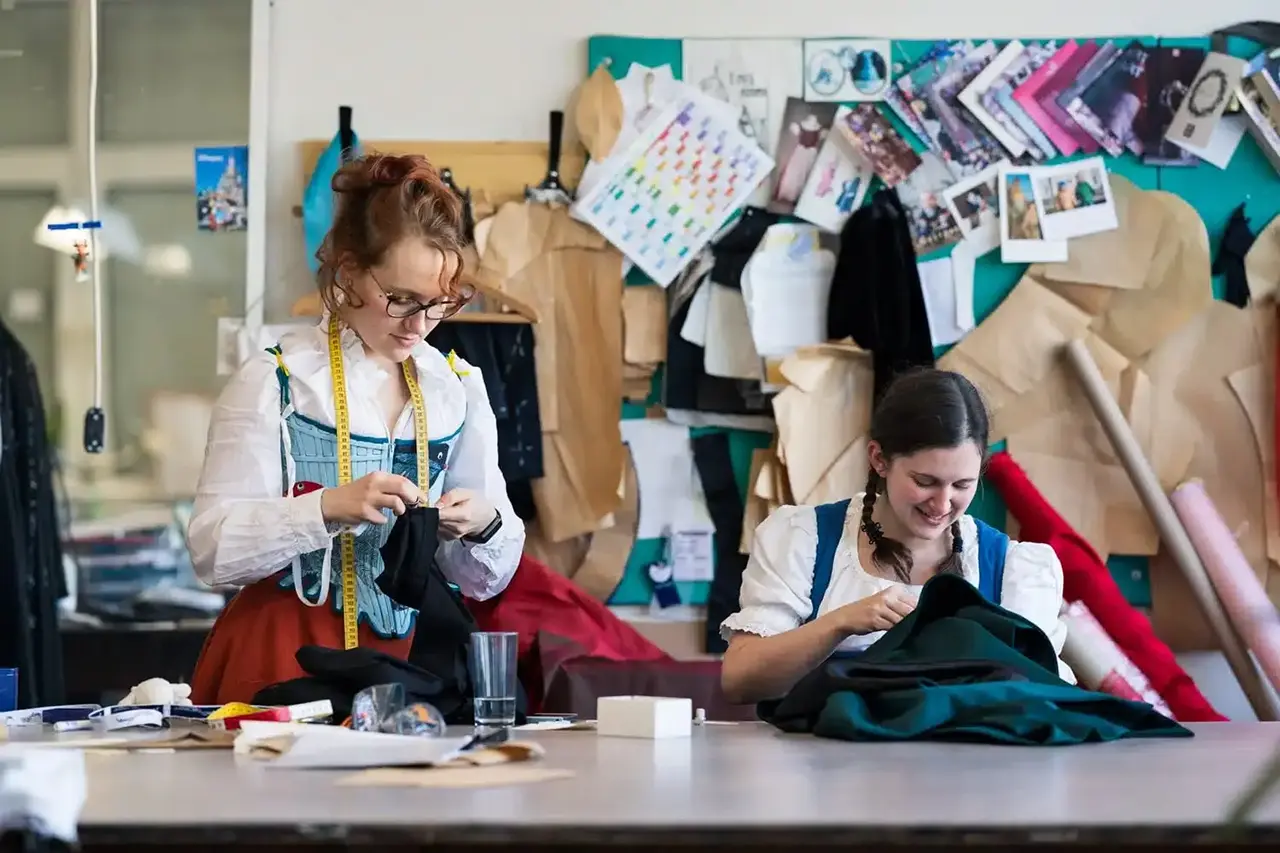
- The in house ateliers, including ladies' and gentlemen's tailoring as well as millinery, form the artisanal backbone of the company. Their expertise is especially prized in the field of historical uniforms, where precision in cut, insignia, and period detail is essential. Alongside new pieces, the workshops also restore historical garments to meet the visual demands of contemporary high definition production.
- The Simmering headquarters extends beyond storage and tailoring. It offers dedicated production and rehearsal spaces where fittings, camera tests, make up rehearsals, and textile treatment can be carried out on site. This allows creative and technical teams to work in direct proximity to the archive itself and gives productions an environment in which research, adjustment, and execution remain closely connected.
- Lambert Hofer also remains connected to Viennese social tradition through Lambert Hofer Junior, which continues the rental of evening wear for private clients, including tailcoats, dinner jackets, and gowns.
4. Enduring Legacy & Resilience
Lambert Hofer's resilience lies in its ability to absorb major technical, economic, and cultural shifts without losing its core identity. Already in 1930, the company's role as a guardian of Viennese tradition was formally recognized by the Alt Wiener Klub, which honored Lambert Hofer for outstanding service to the preservation of old Viennese customs and theatrical culture. This recognition points to something essential about the house. It is not merely a supplier of costumes, but a keeper of visual memory.
That memory has remained active across generations of storytelling. From 19th century processions to the Austrian Sissi trilogy, from The Third Man and Amadeus to international productions such as Seven Years in Tibet, Lambert Hofer has remained present wherever history must become visible through dress. Its enduring strength lies in the rare combination of historical consultation, bespoke tailoring, textile preservation, and the practical ability to serve productions at the highest level.
5. Vision for the Future
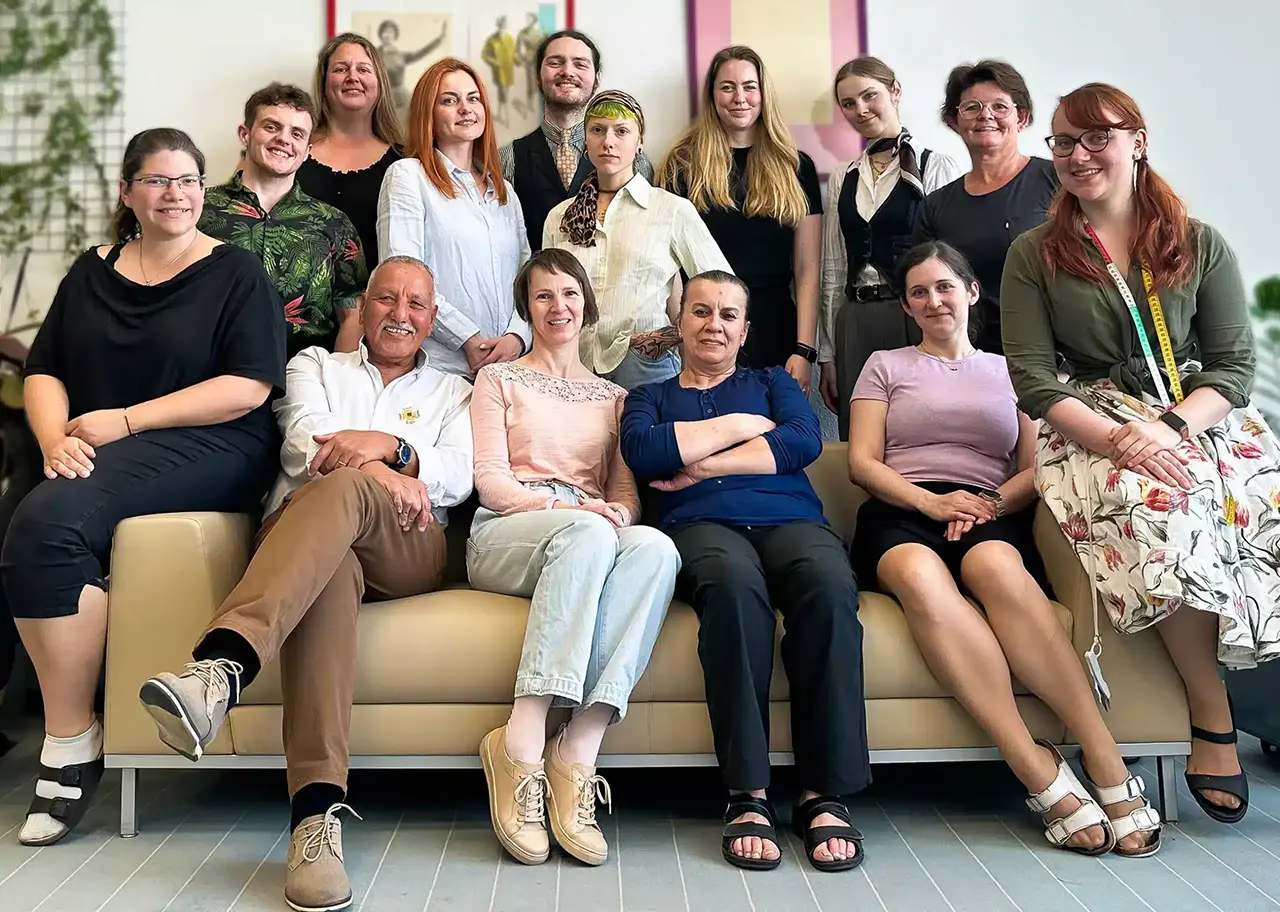
Under the stewardship of the fourth and fifth generations, Lambert Hofer continues to evolve from a historic costume house into a global full service partner for the entertainment industry. Its place within the Peris Group gives it access to an international network of costume houses and enables close logistical cooperation across borders. At the same time, the continued development of its production and rehearsal infrastructure in Simmering reflects a clear understanding of present day demands: productions increasingly require not only costumes, but integrated spaces in which research, fitting, testing, and preparation can happen in one place.
Yet the true future of Lambert Hofer lies not only in network and infrastructure, but in the preservation of knowledge. Historical cuts, textile behaviour, uniform traditions, and the subtle patina that gives a garment period credibility cannot simply be digitized into existence. They must be practised, passed on, and refined. In this sense, Lambert Hofer remains what it has long been: a family led house in which scale never replaces the personal touch, and where the wardrobe of world history continues to be maintained with Viennese precision, memory, and care.