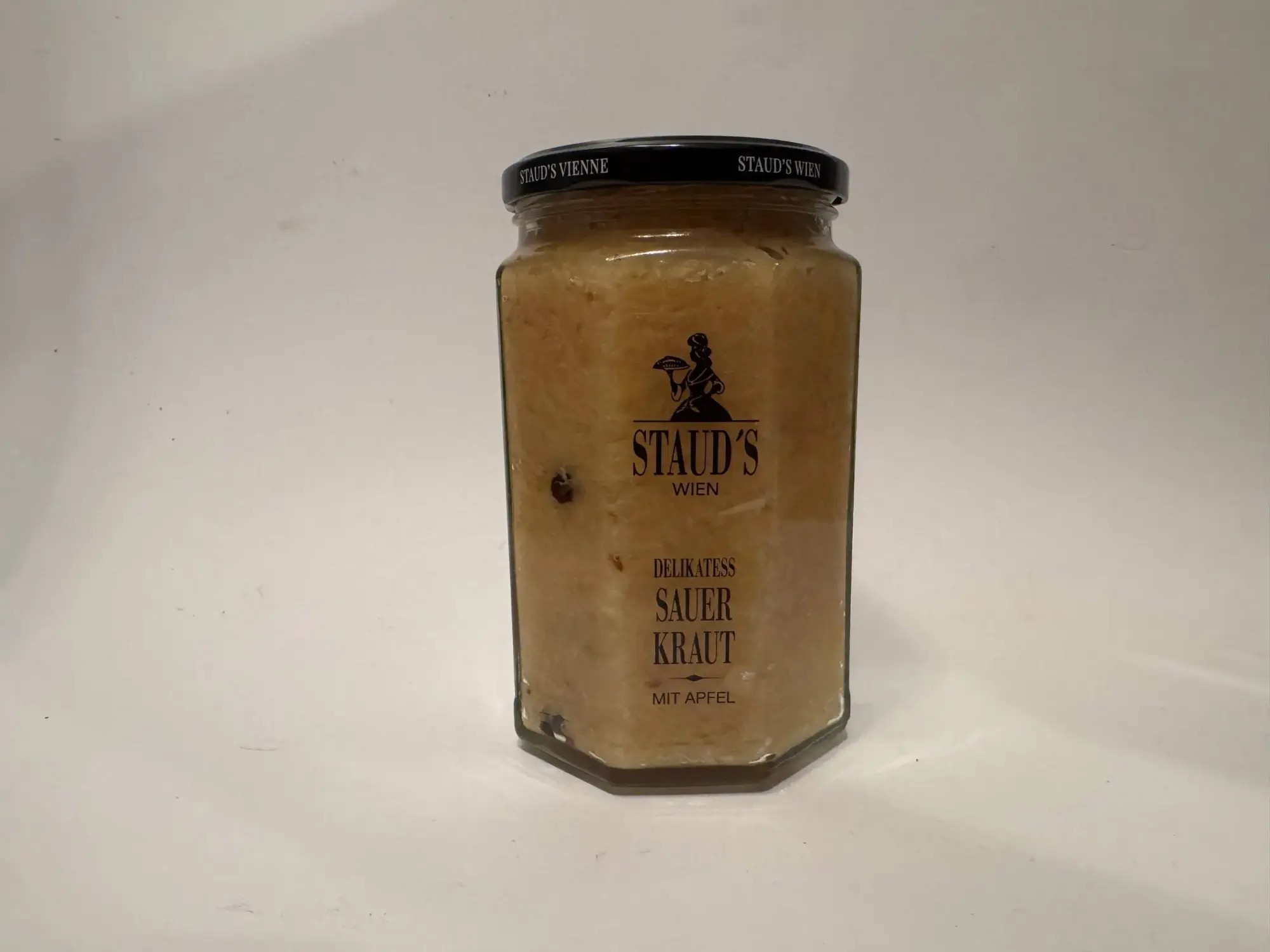
Sauerkraut has travelled considerably further than its German name suggests. One long standing theory traces its ancestry to fermented cabbage in China, with the technique possibly travelling west during the Mongol expansion of the thirteenth century. By early modern Europe, cabbage preserved with salt had become an invaluable way of carrying the autumn harvest into winter.
Its usefulness carried it well beyond the household cellar. Captain James Cook stocked sauerkraut on his long voyages as part of the provisions intended to keep his crews healthy. On land, the same preserved cabbage became part of very different culinary traditions across Europe and, through migration, far beyond it.
That wide reach is part of what makes sauerkraut a timeless classic. It began as a practical answer to seasonality, then travelled across continents and cultures while remaining recognisably itself. Its preservation depends on transformation rather than stasis: cabbage lasts because salt and time are allowed to turn it into something else.