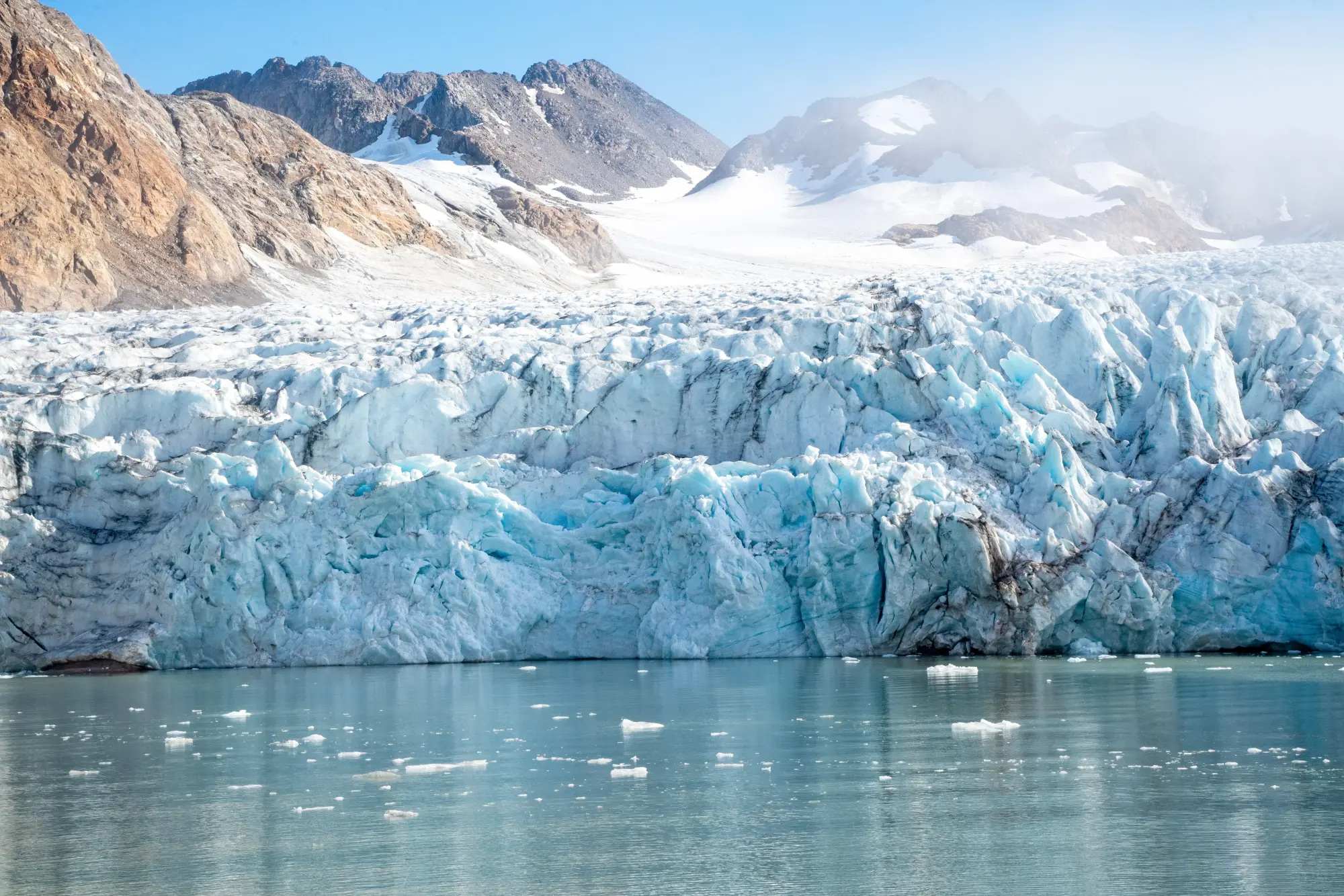
Some of the most revealing things from the past survived because nobody tried to save them. An insect became trapped in sticky tree resin and remained visible more than 100 million years later. A man died high in the Alps and ice preserved his body, clothing and equipment for over 5,300 years. Elsewhere, human bodies entered peat bogs whose cold, acidic and oxygen poor conditions slowed the organisms that would normally have broken them down.
None of these environments was designed for preservation. Resin was a trap, the glacier a circumstance, the bog simply a bog. Yet each interrupted decay in a different way and left behind something unusually legible: the structure of an insect, the contents of a prehistoric traveller’s wardrobe, even skin, hair and the traces of a last meal. What survived was not selected for posterity. It survived because conditions happened to be right.
Human preservation usually begins with intention: choose what matters, protect it, maintain it. Natural preservation reverses the order. First comes the accident. Meaning arrives thousands, sometimes millions, of years later.