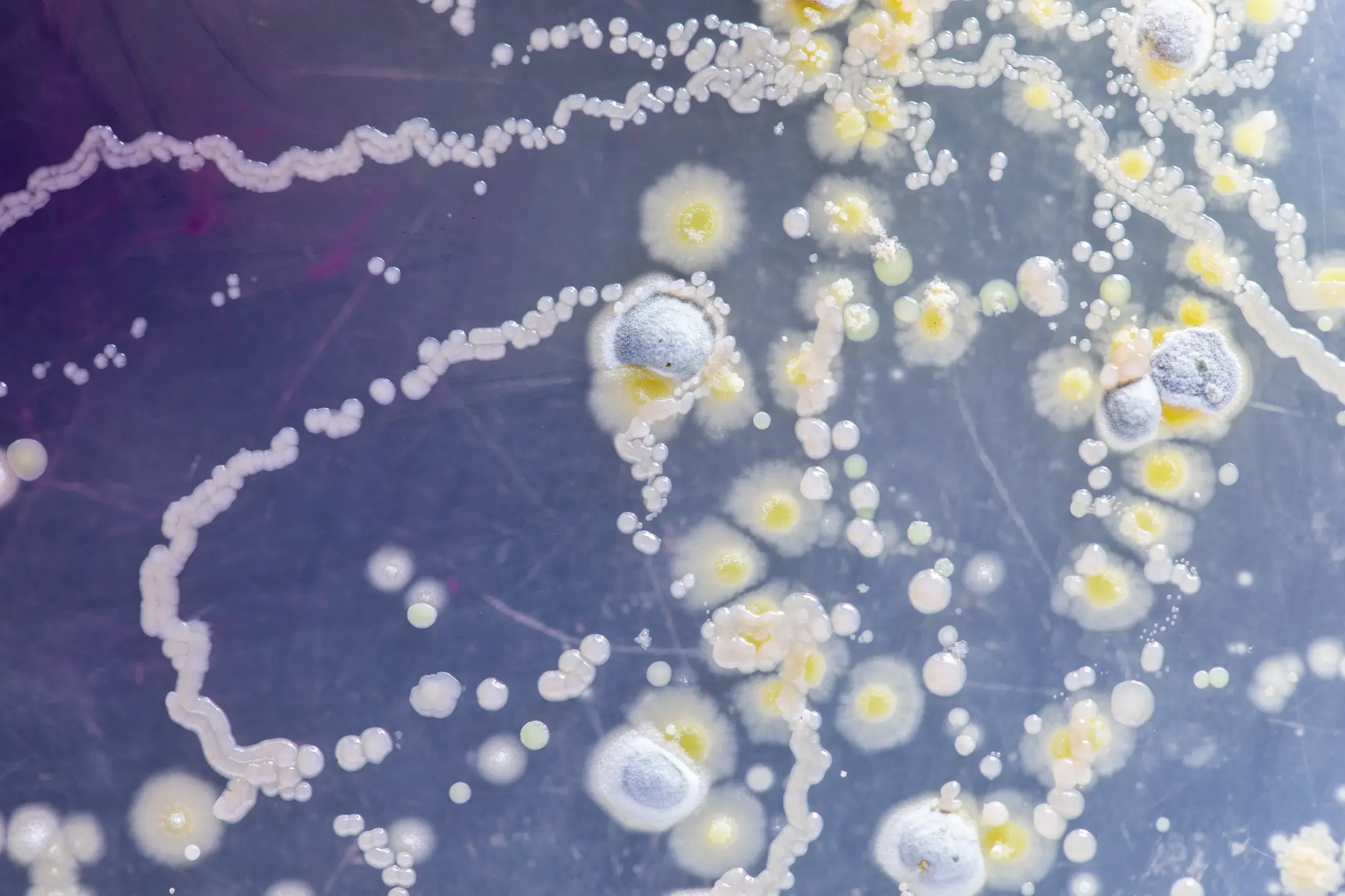
A piece of fruit does not rot because time has passed. It rots because living organisms begin to use it. Bacteria and fungi consume sugars, proteins and other compounds, breaking complex material down into forms that can be used again elsewhere. Decay is not a failure of nature. It is one of nature’s most efficient systems.
Preservation works by interfering with that system. Drying removes water. Salt and sugar make water less available. Cold slows microbial activity, heat destroys many organisms, and acidity changes the conditions in which they can survive. Fermentation takes the opposite approach and recruits the right microbes before the wrong ones gain control. The methods look different, but the underlying question is often the same: which organisms are allowed to live here?
That is why preservation is less passive than it appears. A jar, a cellar, a refrigerator or a layer of salt does not merely protect food from time. It creates an environment in which some forms of life are encouraged, others are suppressed, and decay is postponed long enough for humans to decide what happens next.