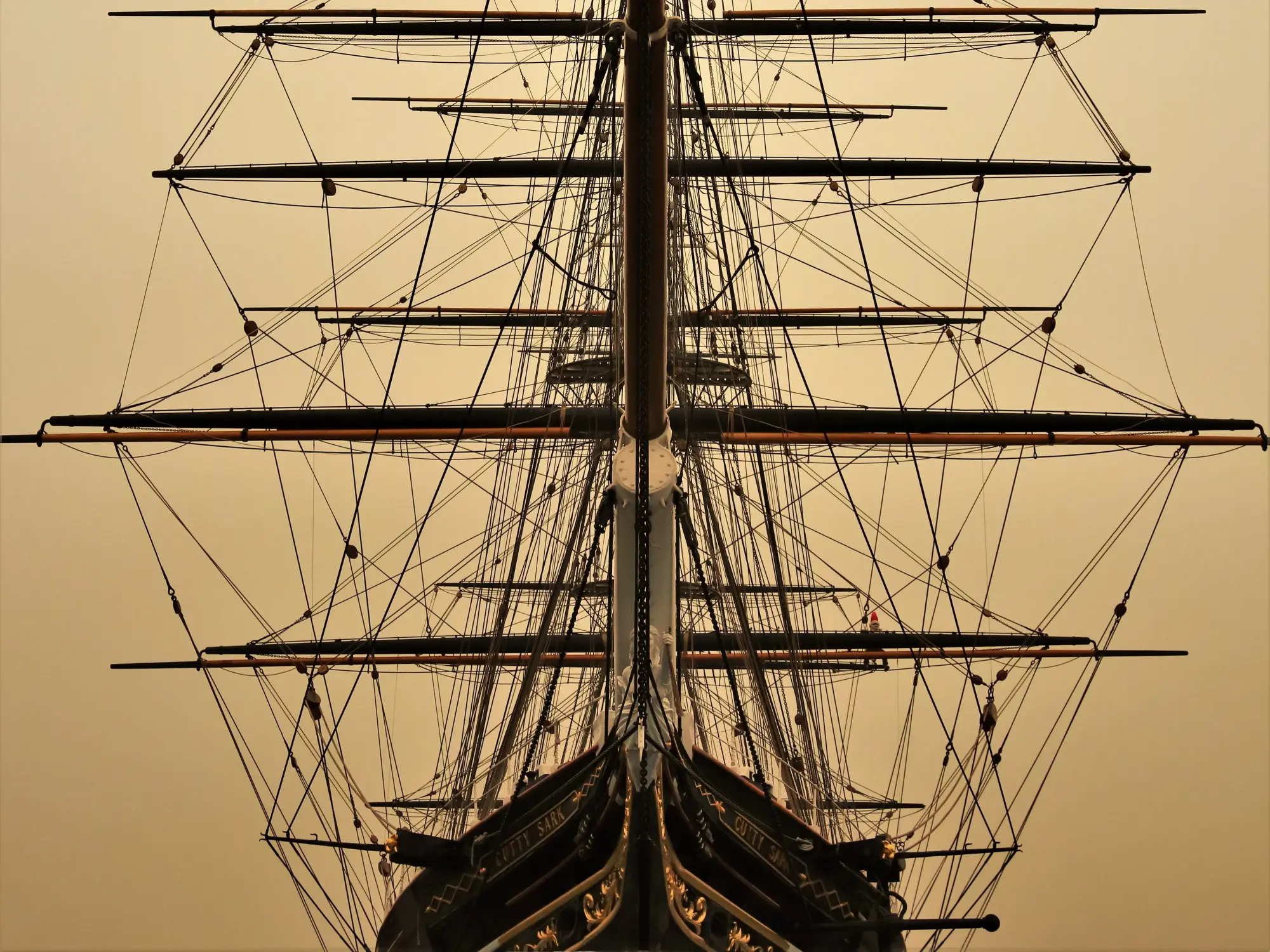
In 1662, Catherine of Braganza arrived in England as the new wife of Charles II, bringing with her a chest of tea as part of her dowry. The drink was not unknown in England, but it was rare and expensive, the preserve of apothecaries and curiosity shops. Catherine drank it at court and the court followed, as courts do. Within a generation, tea had moved from luxury import to national habit, and the East India Company had found its most lucrative cargo.
What followed was less a trade than a reorganisation of the world. Britain was importing Chinese tea in quantities that required payment in silver, draining the treasury at a rate that became unsustainable. The solution the East India Company arrived at was opium, grown in India and smuggled into China in exchange for tea. When China moved to stop the trade, Britain went to war, twice, to protect it. Hong Kong was the price China paid for trying to interrupt the supply chain of a beverage.
Across the Atlantic, the calculus was different but the leaf was the same. In 1773, American colonists threw an entire East India Company cargo into Boston harbour rather than pay the British tax on it. The United States became a coffee-drinking nation partly as an act of political principle, and has remained one ever since. The most consequential beverage decision in American history was not a choice but a refusal.