The price range of sparkling wine is among the widest of any category in food and drink, running from a few euros at a supermarket shelf to hundreds of thousands at auction for a Champagne of exceptional vintage. The determining factor is not the grape variety, nor the region, nor even the producer's reputation in isolation.
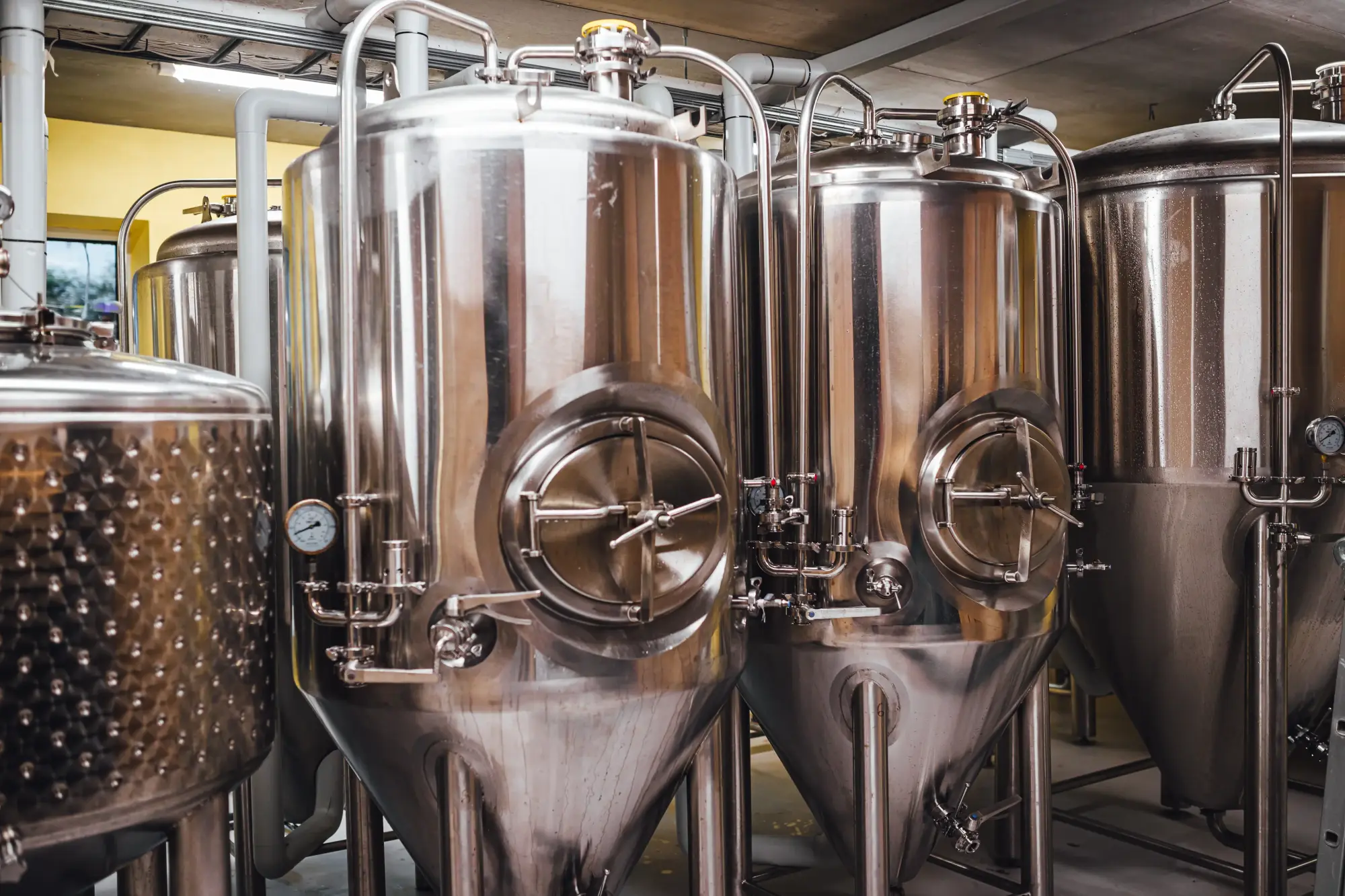
It is time, and the method that time makes possible. In traditional bottle fermentation, the second fermentation happens inside the bottle itself, the wine resting on its yeast for months or years before sediment is removed and the bottle sealed. In tank fermentation, the equivalent process takes place in large industrial vessels and is complete within weeks. Carbonation, the simplest method, pumps CO2 directly into the liquid, the same process used for sparkling water.
The bubbles produced by all three methods are chemically identical. What differs is the complexity developed during the wait, the texture, the depth, the biscuity quality that only time can produce. The price ladder for sparkling wine is, at its core, a record of how long someone was willing to be patient.