M. Maurer
The Art of Textile Refinement Since 1863
1. Identity & Presence
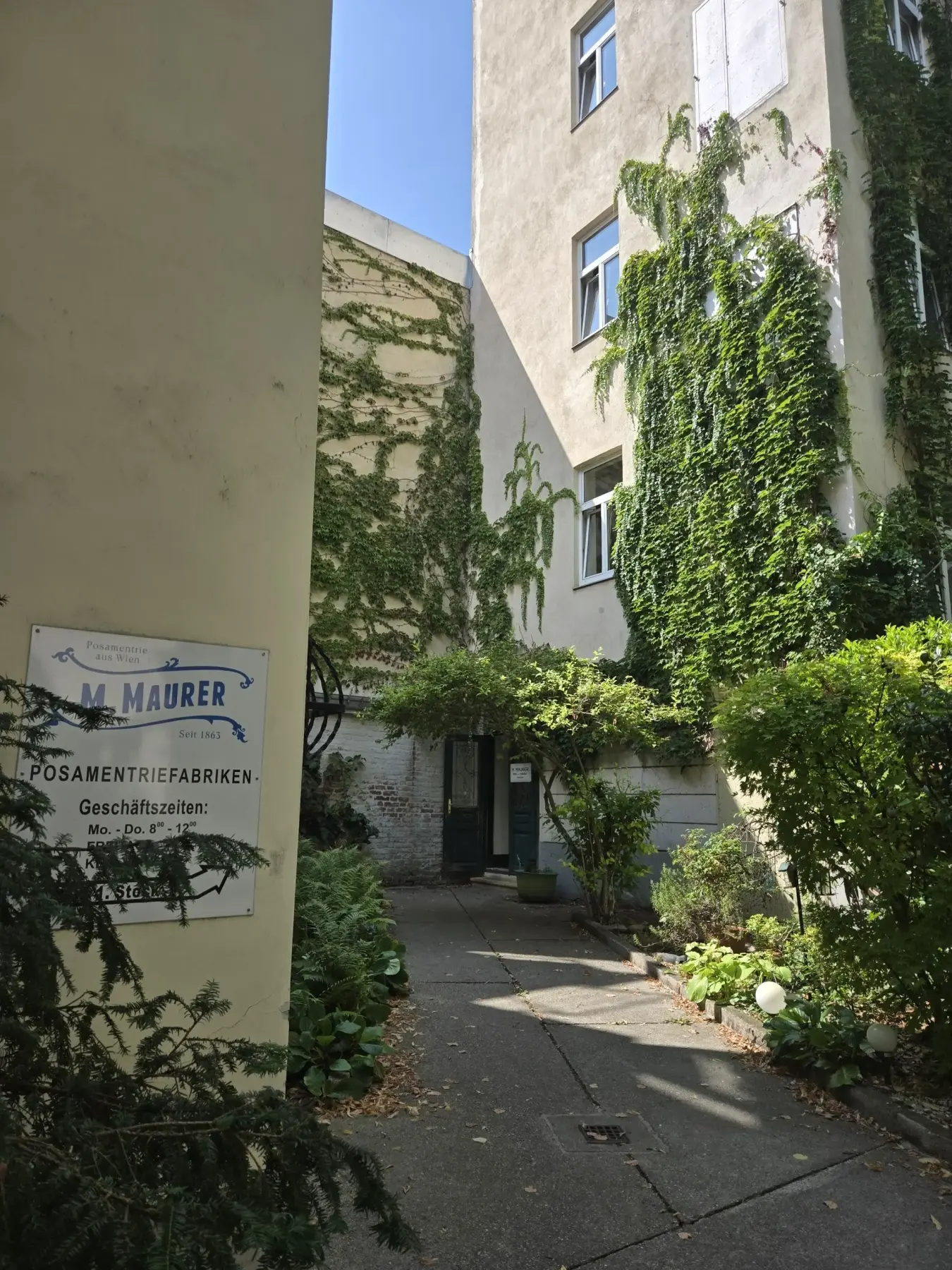
M. MAURER is Vienna’s last passementerie factory and one of the rare places where textile refinement is still practised as a living craft. Founded in 1863, the family business is based at Kandlgasse 20 in Vienna’s seventh district, where the manufactory continues to produce braids, cords, tassels, fringes, emblems, uniform effects, decorative trims, and textile details with a level of precision that belongs to a disappearing world of handwork. The company describes itself as a place where craft, quality, and style are at home: a Viennese workshop in which tradition, innovation, and passion still meet in daily production. Led today by Konrad Maurer and his son Albert, M. MAURER continues a family tradition that has lasted for more than 160 years.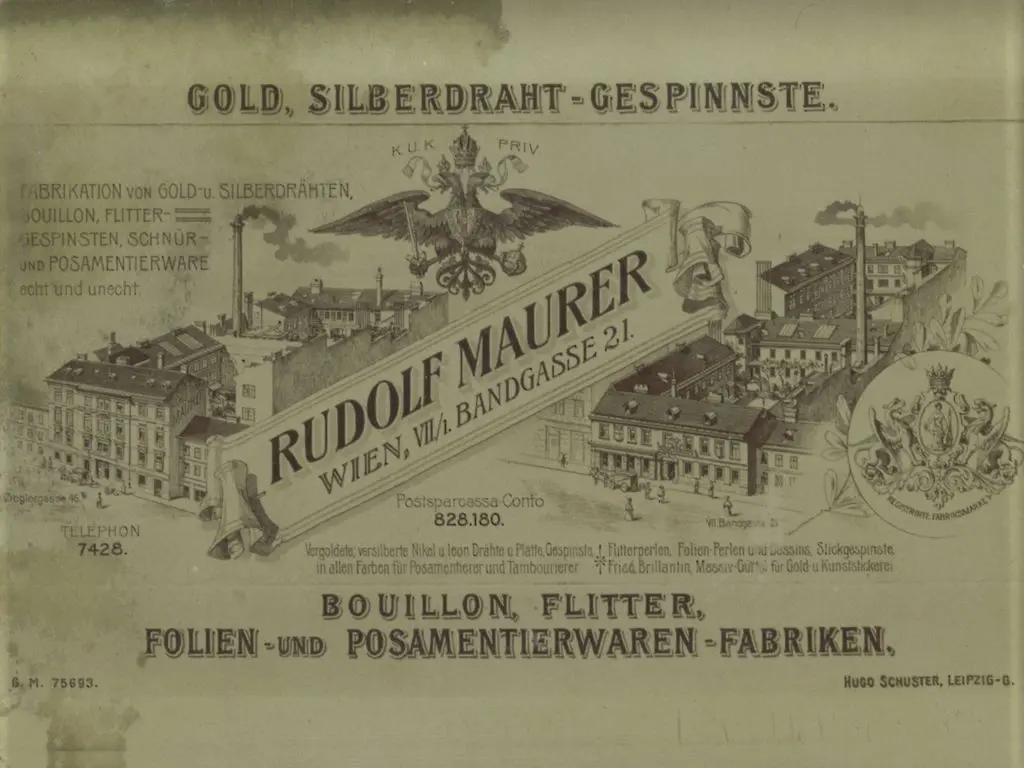
2. The Origin Story & Key Figures
The story of M. MAURER begins in 1863, when Hans Maurer founded the company and laid the foundation for a Viennese craft tradition that has now lasted for more than 160 years. What began as a specialised workshop for passementerie, the ornamental textile trimmings that include cords, braids, tassels, fringes, and borders, developed into a family business whose work became part of Austria’s ceremonial, decorative, and textile culture. The name M. Maurer itself emerged in 1884 through Matthias Maurer, the great-great-grandfather of Konrad Maurer. Around 1900, the company built its premises in the courtyard of Kandlgasse 20, the address that remains central to its identity today.
Albert Maurer joined the company in 2015 and became managing partner in 2019, continuing the process of modernisation while preserving the workshop’s deeply rooted values. The result is a family house that carries its history not as a decorative claim, but as a working foundation.
3. The Core of the Craft
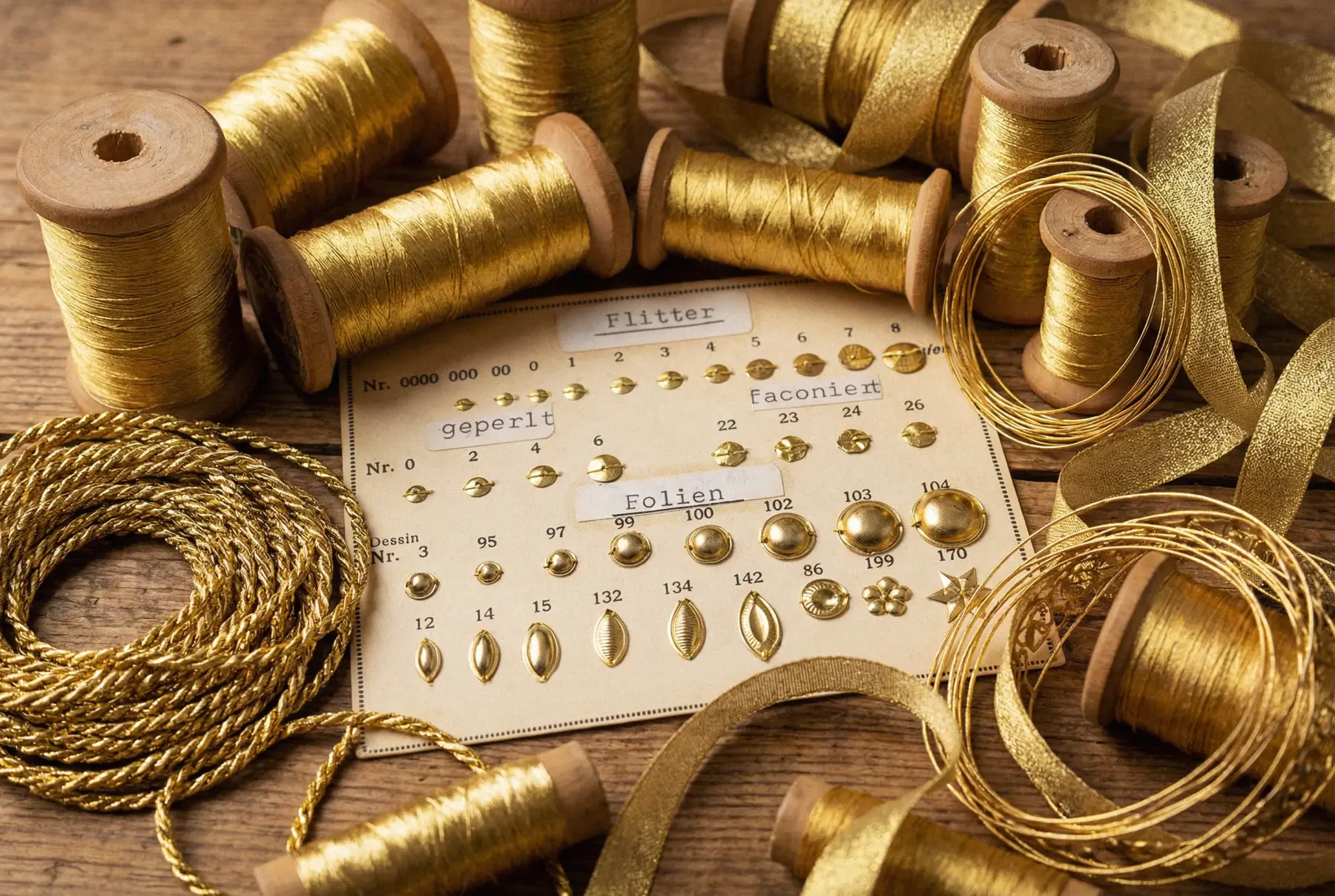
At the core of M. MAURER lies the art of textile refinement: the transformation of threads, yarns, wires, cords, braids, ribbons, and small components into details that give garments, interiors, uniforms, ceremonial objects, and stage worlds their final character. Passementerie is often small in scale, but never incidental. It frames, finishes, distinguishes, and defines. A textile detail may appear decorative at first glance, yet it often carries function, rank, tradition, or atmosphere.
The manufactory’s production is organised into specialised areas, each with its own technique and material logic. Embroidery, weaving, braiding, spinning, handwork, galloon work, and related textile techniques form a workshop system in which historic machines and precise contemporary production operate side by side. Around 100 machines are used in daily production, many of them as old as the tradition itself. M. MAURER describes its production as a living monument of Austrian craftsmanship, and the phrase is justified by what happens in the workshop: every production step takes place in Vienna, locally, sustainably, and with exacting sensitivity to material and detail.
4. Enduring Legacy & Resilience
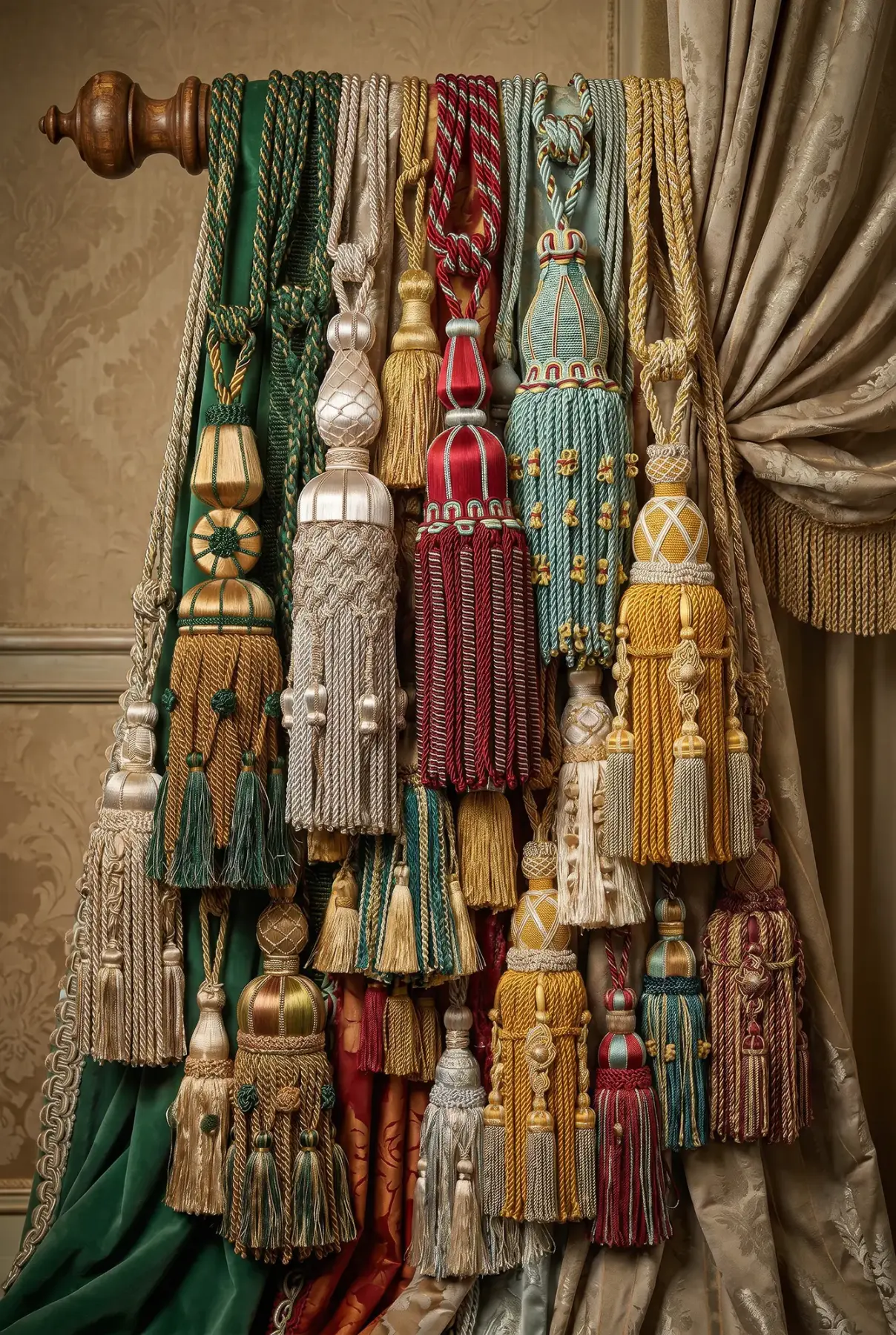
M. MAURER’s resilience lies in the quiet indispensability of its craft. A captain’s stripes, a police emblem, a graduation tassel, a cord on traditional dress, or a carefully worked textile border all do more than decorate. They make role, belonging, ceremony, and care visible.
This is why passementerie remains relevant across such different contexts: uniforms, associations, theatre, film, ecclesiastical textiles, interiors, traditional costume, design projects, and private commissions. M. MAURER’s work occupies the space between beauty and function, visible splendour and quiet necessity.

5. Vision for the Future
The future of M. MAURER lies in continuity with fresh energy. Under Albert Maurer’s leadership, the company is developing its digital presence, opening itself to new collaborations, and strengthening the visibility of a craft that has become rare. Design, film, fashion, heritage conservation, and textile experimentation all offer new fields for a manufactory whose knowledge remains deeply rooted in traditional techniques.
At the same time, M. MAURER’s future depends on passing this knowledge on. The promotion of apprentices and young craft talent is therefore not a secondary concern, but part of the company’s survival strategy. The initiative “M. Maurer for the future” points in the same direction: traditional craft techniques are to be safeguarded while remaining open to contemporary use.