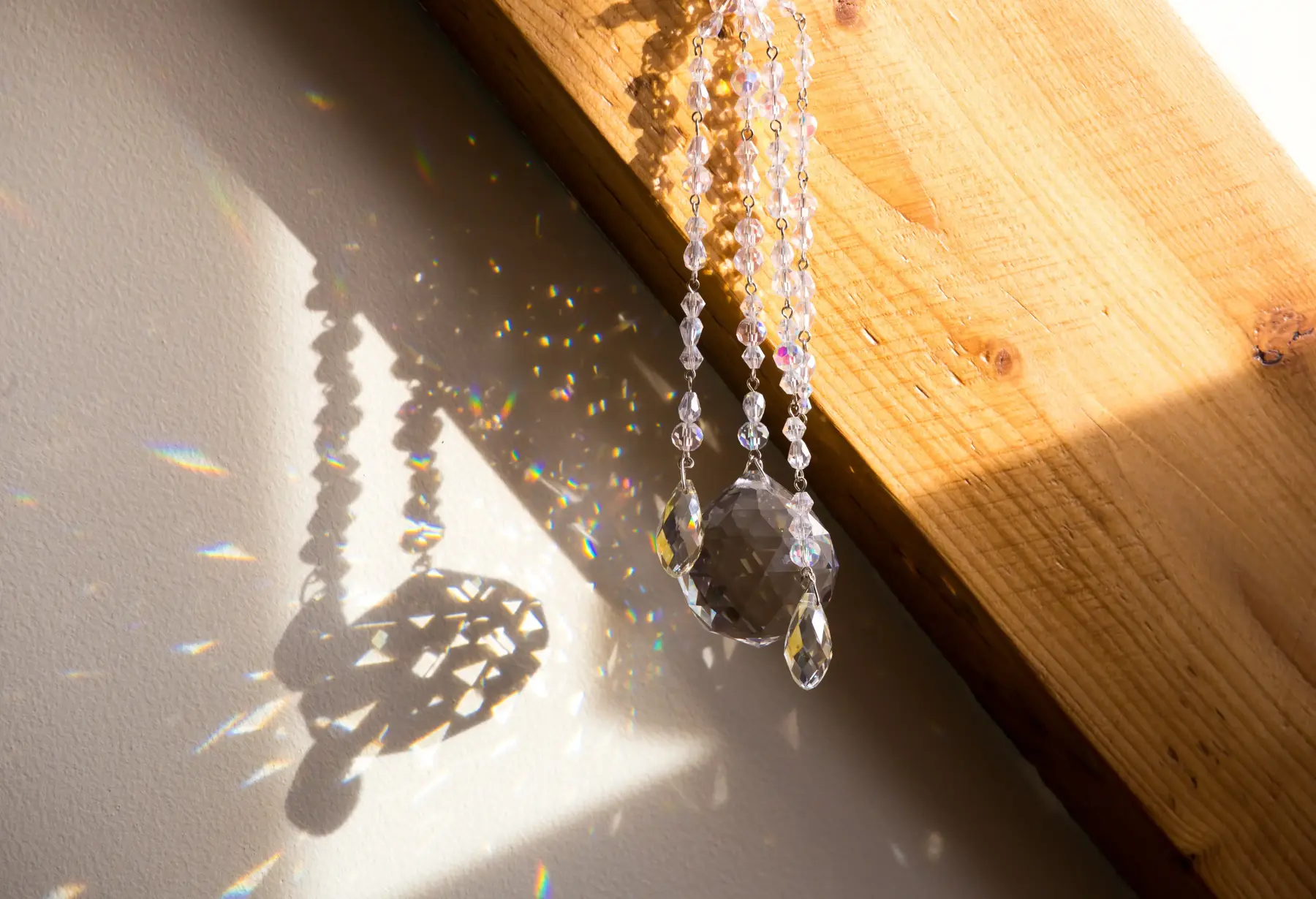
One late afternoon in the garden, while watering the plants, I accidentally created a rainbow.
I stopped for a moment, partly amused by the accident of it, partly struck by how little is needed for the world to change its appearance. The water was still water. The sunlight was still sunlight. The garden remained the garden. And yet, because of angle, movement, moisture, and perception, another layer of reality became visible. It felt like a sacred moment.
For a long time, I approached colour as an art historian does: through matter, meaning, and context. Colour was pigment before it was experience. It had weight, cost, origin, and symbolism. The blue mantle of the Virgin Mary was not simply beautiful; its preciousness, ground lapis lazuli from Afghanistan, was part of its meaning. Colour was never merely surface. It could sanctify, mark status, signal mourning, suggest desire, calm a room, or unsettle it before a single word was spoken.
This does not make colour less real. If anything, it makes it more astonishing. Colour belongs to that delicate category of phenomena that are entirely real and yet dependent on relationship. The object matters. The light matters. The eye matters. The mind matters.