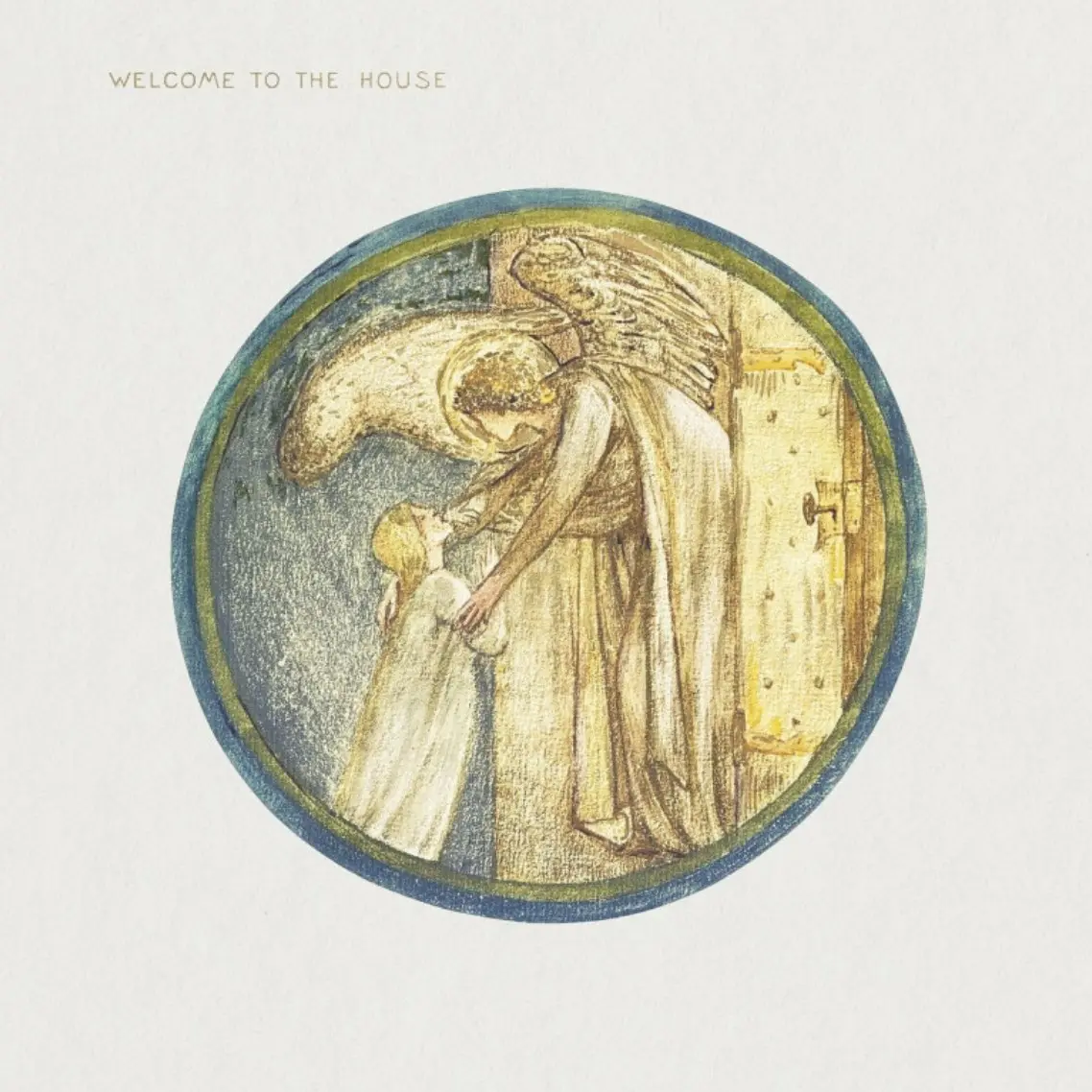
When someone dies, there is a strange and almost disorienting contrast between the administrative and the human. On one side, there are appointments, documents, calls, arrangements. Things that need to be done because the world, even in the presence of death, continues to function through procedure. On the other side, there is a life that has ended. A whole human being no longer with us. Family, habits, duties, laughter, difficulties, preferences, gestures, decades of existence. And suddenly, someone has to give shape to the farewell.
This is the part that is so easily underestimated. It is not enough that things are taken care of in the practical sense. The money may be arranged, the undertaker may be booked, the date may be fixed. But what about the image and design of the death notice? The memorial card? Which flowers to choose, which music? What is the appropriate poem, the sentence that may stand for a life in a few printed lines? Who steps close enough to ask not only what must be done, but what would have been fitting?
I know this threshold very well. Many of my family members have passed, and each time there is this quiet stepping inside. Not intruding, not taking over, but entering the field of another person's life with enough care to ask what belongs. What would this person have liked? Which image would not feel false? Which words carry dignity without becoming decoration? It is a delicate act, because farewell is not only organized. It is composed.
For me, this is usually where the exhaustion begins. Not in the logistics alone, but in the carrying of the narrative. It is a particular form of responsibility because it is rarely asked of you, yet if no one takes it on, the process becomes standard. Exchangeable. An example in the folder of templates, lying on the undertaker's desk. A coffin or urn, flowers, a ceremony, people going home. Everything in place, and yet strangely uninhabited, unless somebody stays with the farewell in all its stages long enough for form to emerge. Meaning does not arrive by itself.
Of course, a whole life cannot be captured by a flower, a piece of music, or a sentence on the memorial card. But these things matter precisely because they do not pretend to be the whole. They are gestures of orientation. They say: this person was here. This person belonged to a world of relationships, memories, preferences, traces. This person leaves behind more than an appointment in a calendar and a formal notice.
In those moments, I realize again how deeply form matters. Not as decoration, and not as sentimentality, but as a way of accompanying what would otherwise remain too amorphous. Death is absolute, but farewell is relational. It is the bridge between the fact that someone is gone and the final gesture owed to the life that is departing.